New article
3,046 internet providers listed
Find the best internet
in your area.
Compare fiber, cable, 5G, and Wifi plans from 3,046 providers across 27,388 US cities.
-
ZIP
,
No matches for . Try a 5-digit ZIP or full city name.
No signup required
Recorded starting prices
Confirm current offers
3,046
ISPs
27,388
Cities
41,488
ZIP records
51
States + DC
15,409
Store records
How it works
Find your provider in three steps
No spam, no signup. Browse recorded listings, then verify eligibility with the provider.
1
Enter your ZIP code
Find city listings associated with your ZIP code. A ZIP search cannot confirm service at an individual address.
2
Compare real plans
Compare recorded maximum speeds, starting prices and connection types.
3
Pick & sign up
Confirm the exact plan, total bill and service address with the provider before ordering.
As Seen In
USA Today
HuffPost
Los Angeles Times
Business Insider
Featured providers
Top Internet Providers
Compare connection types and recorded information from leading U.S. providers.

Verizon
5G
View current plans
View provider

Spectrum
Cable
View current plans
View provider
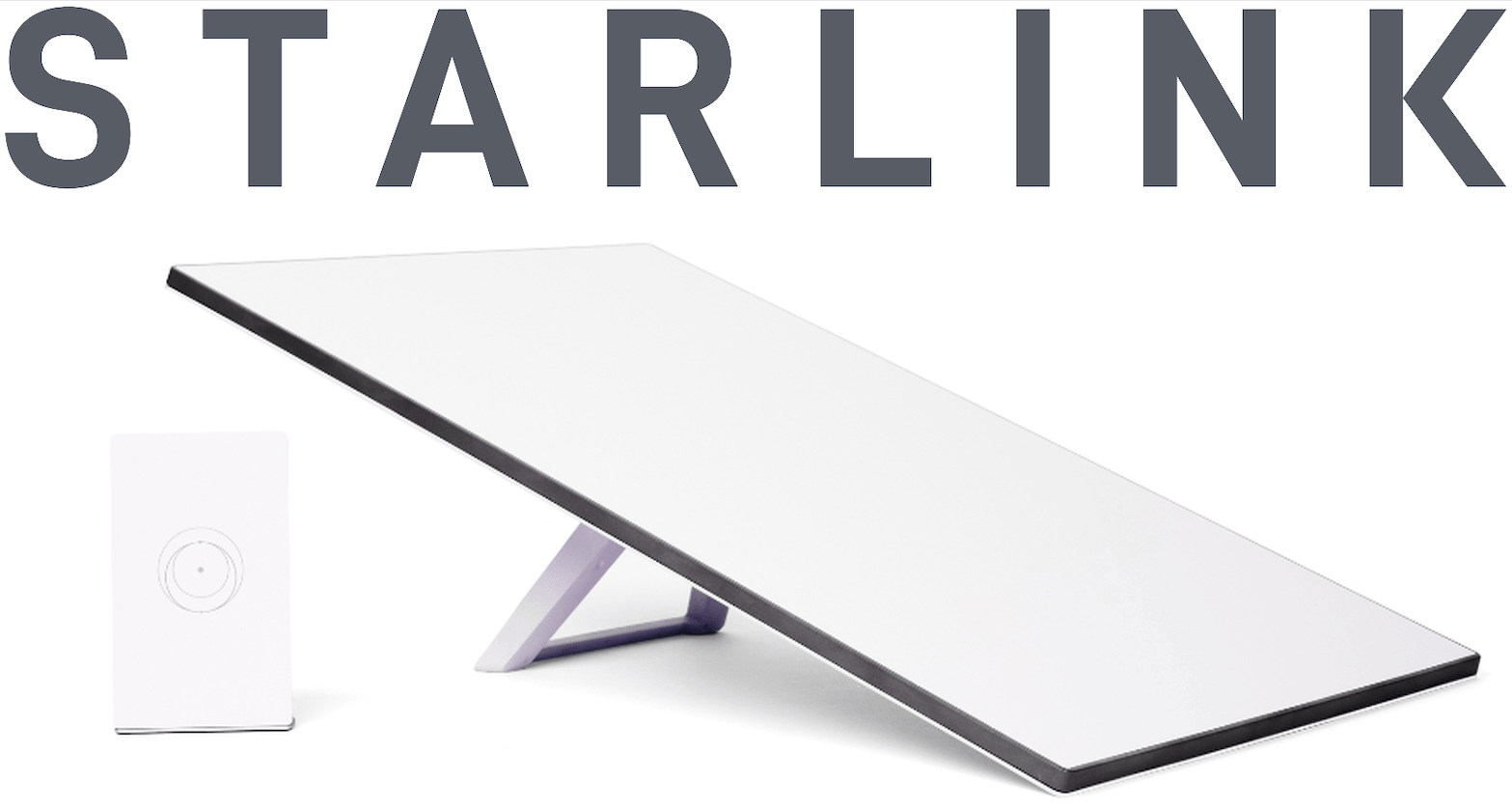
Starlink
Satellite
$55 per month
View provider

Optimum
Cable
View current plans
View provider

AT&T
5G
View current plans
View provider

Xfinity
Cable
View current plans
View provider

Frontier
Fiber
View current plans
View provider

Viasat
Satellite
View current plans
View provider
Top cities
Most-served cities in the US
Cities with the largest provider selection.
Best
NE
Wood River
Providers
23
Top speed
2Gbps
Compare ISPs
Gigabit
TX
Anna
Providers
22
Top speed
5Gbps
Compare ISPs
Gigabit
AZ
Tucson
Providers
22
Top speed
8Gbps
Compare ISPs
Best
OH
Delphos
Providers
22
Top speed
2Gbps
Compare ISPs
Gigabit
MN
Northfield
Providers
22
Top speed
5Gbps
Compare ISPs
Best
IA
Maquoketa
Providers
22
Top speed
2Gbps
Compare ISPs
Best
IL
Dekalb
Providers
22
Top speed
2Gbps
Compare ISPs
Best
CA
Linden
Providers
21
Top speed
2Gbps
Compare ISPs
Latest Internet guides
Recent articles
New research, practical broadband guidance, and internet news from RSINC.
New article
Can You Stream Movies on a Mobile Hotspot? Data Use & Quality Guide
Read articleNew article
What Do You Actually Pay for EarthLink? Fees, Contracts & Hidden Costs
Read articleNew article
Xfinity Fiber-Powered vs Real Fiber: FTTN/HFC Explained for Shoppers
Read articleNew article
How Much Will Spectrum Internet Cost After the Promo Year?
Read articleNew article
SpaceX Louisiana Starbase Neighbors Get Discounted Starlink — Who Qualifies?
Read articleNew article
AT&T Fiber Expansion in the Twin Cities: 543K New Locations — How to Check
Read articleNew article
How to Read an FCC Broadband Facts Label Before You Sign Up
Read articleNew article
Spectrum Rural Expansion: Knox County OH & Seminole County FL Light-Ups
Read articleNew article
Fiber Internet Installation Day: What to Expect From Street to Home
Read articleNew article
Ohio Telecom Association Rebrands as Ohio Broadband & Technology Association
Read articleNew article
Starlink Referral Program: How Service Credits Work
Read articleNew article
How Much Does Starlink Cost in Your Area?
Read articleNew article
What Is 5G Home Internet Deprioritization? (T-Mobile & Verizon Fair Use)
Read articleNew article
Why Is 5G Home Internet Slow at Night? Peak-Hour Congestion Explained
Read articleWhat is RSINC?
RSINC helps you explore internet providers and compare connection options in your area. RSINC also helps you get the best deals on internet and matches you with the right provider. Browse our city and state guides to review listed providers, connection types, speeds, and starting prices. Our articles, provider guides, and internet dictionary explain the terms and features that matter when choosing a plan. When you are ready, call 1-877-697-2926 to talk to a live person and check current offers and availability at your address.
Ready to find your provider?
Enter your ZIP to see recorded providers associated with your area — speeds, starting prices, and connection types.
Brightspeed
Explore Brightspeed by city
Explore local internet options, then call RSINC for help checking Brightspeed availability at your address.
How much internet speed do you need?
Tell us who is online and what they do. Get a planning estimate, not a measurement of your connection.
How we estimate your range
We use the upper household count (3 for 2–3, 5 for 4–5, and 6 as a starting point for 6+). Each person is assigned one selected foreground activity. The lower end assumes a mix of those activities; the upper end assumes everyone uses the most demanding selected activity. We add 30% headroom and round up to 5 Mbps. This is an RSINC planning model, not a provider requirement or an availability check.
Per-person download/upload assumptions in Mbps: streaming 15/1, video meetings 3/4, ordinary online gaming 5/2, browsing 5/1, and social media 10/2. Smart-home use adds a household allowance of 5/5. Streaming and meeting figures are informed by Netflix’s 4K guidance and Zoom’s 1080p guidance; other values and headroom are RSINC assumptions.
Cloud gaming, multiple security cameras, large downloads and backups can need more capacity. For gaming and calls, latency and stability matter too. No answers are submitted or stored by this calculator.
Explore internet providers by state
Browse recorded provider listings and connection options in all 50 states and Washington, DC.
Make your next plan a better fit
Could your internet bill be lower?
Compare what you pay today with the options in your area. Look beyond the introductory price: equipment, installation, and the rate after a promotion can change the total.
Find options by ZIP code- Check the whole billInclude recurring fees and any required bundles.
- Choose speed for your householdUse our speed calculator to estimate what you need.
- Confirm the termsAsk when discounts end and whether cancellation fees apply.